Artificial Roofing Systems Designed for Midwest Freeze-Thaw Cycles
Anyone who has actually invested a couple of wintertimes taking care of homes in the Midwest discovers the very same lesson fast: roofing systems stop working in tiny means before they fail in remarkable ones. A fracture that looked harmless in October can open up by February. A blinking detail that dropped water all springtime can turn into an ice trap after one heavy snow and a couple of sunny afternoons. In places like Chicago and the western suburban areas, where roofs might see sleet, wandering snow, quick thaws, and subzero evenings within the exact same week, product choice matters far past curb appeal.
That is where synthetic roofing systems have actually earned significant interest. Not because they guarantee magic, and not due to the fact that every product marketed as synthetic carries out the very same, yet since the better systems are engineered for motion, wetness resistance, impact tolerance, and lasting dimensional stability. In a climate specified by freeze-thaw cycling, those attributes are not high-ends. They are standard survival characteristics.
For house owners comparing premium outside upgrades, specifically those planning a lengthy possession perspective, artificial roofings usually being in an intriguing middle ground. They can provide the aesthetic depth of slate or cedar, often with less weight and more forgiving performance in serious weather. For builders, remodelers, and any type of artificial professional roofer working in the Midwest, the genuine question is not whether synthetic materials can work right here. It is which systems are developed well enough, and set up meticulously sufficient, to handle repeated thermal stress year after year.
Why freeze-thaw cycles are so tough on a roof
A Midwest roofing does not simply splash, then dry. It splashes, freezes, increases, defrosts, drains pipes, refreezes, and repeats that pattern over and over. Water works its way right into tiny spaces around fasteners, side laps, infiltrations, and flashing shifts. When temperature levels decrease, that caught moisture expands. Also an extremely percentage of expansion can broaden tiny openings, loosen up edges, or location stress and anxiety on breakable components.
The trouble expands when snow cover remains. A dark roof surface area can heat sufficient under winter sunlight to thaw the bottom layer of snow while the eaves and rain gutters stay cold. Water runs downslope, gets to the chillier edge, and ices up again. That is the timeless configuration for ice dams. When that dam forms, meltwater can support under the roofing covering. If the system lacks an effectively mounted underlayment or if the details at eaves and valleys were taken care of casually, indoor leaks commonly follow.
Traditional roofing materials each have their own susceptabilities in this atmosphere. Natural cedar can take in moisture and weather unevenly. Some concrete or clay items take care of chilly well but bring weight and setup constraints. Natural slate is beautiful and resilient, yet it is fragile and costly to fix if individual items break from effect or foot traffic. Asphalt tiles remain usual, though lower-end products might shed granules and flexibility sooner under seasonal stress.
Architectural artificial roof got in that conversation by offering a various equilibrium of homes. The much better products are created to withstand wetness absorption, remain stable under temperature level swings, and deal with impact without the exact same brittleness discovered in some all-natural materials. That does not suggest every synthetic roof is equivalent. It suggests the group has strong alternatives when matched to the climate and set up with discipline.
What makes an artificial roof ideal for Midwest weather
People often focus on the noticeable tile or floor tile, but a roofing system succeeds as a system. The area material issues, certainly, yet underlayment option, air flow technique, securing pattern, flashing layout, and edge describing commonly establish whether the roofing really does through fifteen or twenty freeze-thaw seasons.
The ideal synthetic roof for the Midwest usually share a few functional traits. They stand up to wetness uptake. They do not become excessively fragile in cold weather. They tolerate hailstorm better than several breakable choices. They likewise keep their account and fastening stability under high winds, which matter as much in Chicagoland as snow load does. Winter tornados below hardly https://andersonbqnl802.moderncairn.com/posts/why-employ-a-synthetic-roofer-chicagoland-homeowners-trust ever arrive as a tidy, vertical event. Wind-driven snow locates weaknesses that a calm rain never ever would.
Material structure plays a big role. Lots of premium synthetic roof items are made from crafted polymers, recycled substances, or exclusive composite blends. Some are molded to resemble cedar shake, all-natural slate, or hand-split structures with unexpected realistic look. That aesthetic charm is one reason synthetic roofing for deluxe homes has actually come to be a lot more usual in premium neighborhoods. The sensible factor is that the right item can provide reduced maintenance and much less architectural problem than the natural product it imitates.
Weight is not an insignificant issue. A lighter roofing covering can decrease the requirement for structural reinforcement during a synthetic roofing system replacement, particularly on older homes. In historic neighborhoods around Chicago, that flexibility can maintain layout intent without forcing major framing work. A heavy roof can still be the appropriate solution in many cases, yet several property synthetic roof covering items give owners a lot more options during remodel planning.
The Midwest information that divide a decent roofing system from a sturdy one
I have actually seen appealing roofings underperform since the system was defined by sales brochure and set up by practice. Freeze-thaw environments reveal shortcuts quickly. A roofer can make nearly any material look excellent on the first day. Year five informs the genuine story.
On artificial roof covering setup jobs in northern Illinois, one of the most important conversations often happen before the initial bundle is opened. Roof covering pitch, drainage patterns, attic room insulation, ventilation pathways, rain gutter design, chimney conditions, and the quantity of tree cover all affect just how the roofing system will certainly act in winter season. A steep roofing might lose snow much more conveniently, yet it might additionally dump huge sheets onto valleys, lower roofing system sections, and entryways. A low-slope transition location that looks small on plan drawings can come to be the powerlessness of the entire assembly if the incorrect underlayment is used.
Ventilation should have special interest. People often tend to minimize winter months roofing efficiency to a straightforward material option, yet lots of cold-weather leak patterns begin inside your home. Cozy, moist interior air running away into the attic room can increase roofing deck temperatures, drive unequal snowmelt, and magnify ice dam formation. Also costs artificial roof covering can not make up for an attic room that is improperly shielded or inadequately vented. The roof covering is just the top layer of a building scientific research problem.
Flashing work is an additional separating line. Around chimneys, dormers, skylights, and wall surface junctions, movement and water concentration come together. Synthetic roof covering shingles might continue to be undamaged for decades, yet if the flashing series was improvisated, the setting up continues to be prone. In Chicago-area work, where winter months wind can press snow and meltwater laterally, the quality of steel information usually matters as high as the field product itself.
Why artificial roofings attract Midwest homeowners
The appeal is not just durability. It is predictability. Homeowners need to know what they are purchasing, what upkeep will appear like, and whether the look they spend for today will certainly still read as refined in 10 or fifteen years.
Premium artificial roof typically addresses that worry well. Excellent products hold color regularly, resist splitting, and stay clear of the arbitrary degeneration pattern that can influence all-natural organic materials. On personalized homes, particularly those aiming for the look of slate or cedar without the same upkeep worry, synthetic roofing for high-end homes supplies design flexibility that really feels practical as opposed to compromised.
That is specifically appropriate in areas where design lugs a solid aesthetic identity. Partially of Chicago, Oak Creek, Hinsdale, Naperville, and surrounding areas, homeowners might desire a steep-pitch roof that matches stone facades, copper accents, and carefully made landscape strategies. A roof is not a history element on those homes. It is among the dominant visual surface areas. Building artificial roofing can give the structure and darkness lines proprietors want, while still being sensible for a climate that penalizes delicate finishes.
For numerous family members, the conversation comes to be a lot more uncomplicated during an artificial roof covering substitute. They have actually already endured maintenance cycles on maturing cedar, curling asphalt, or hail-damaged products. They are not looking for novelty. They are shopping for less surprises.
Chicago and the western residential areas position their very own challenges
When customers look for synthetic roofing Chicago or synthetic roof covering Naperville IL, they are generally not looking for a common national response. They wish to know how an item acts here, under local weather, local code assumptions, and neighborhood installation habits.
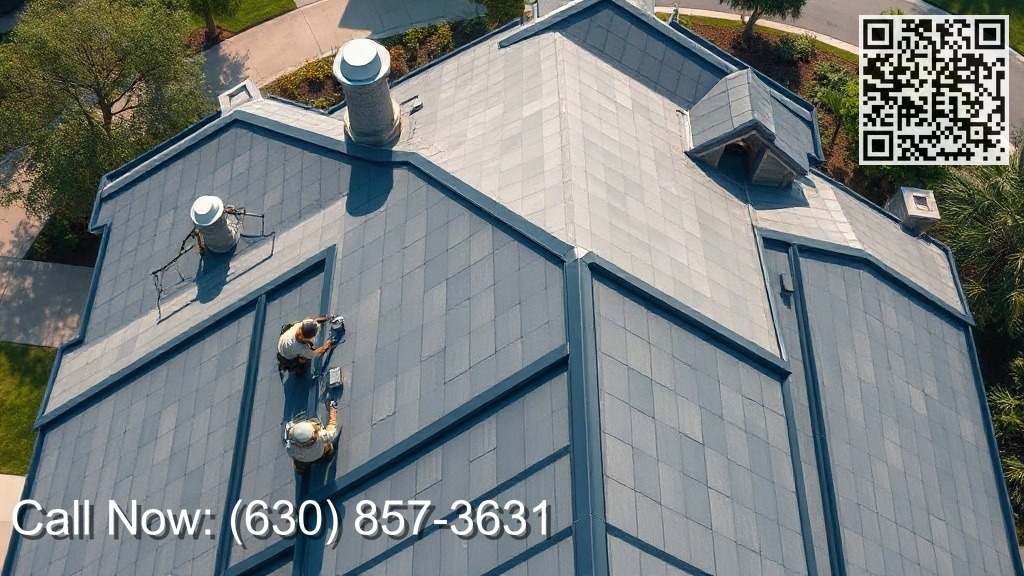
Chicagoland roofings take care of wide annual temperature level swings, strong wind events, lake-influenced weather patterns in some locations, and freeze-thaw repetition that can endure every revealed information. Snow loads vary from tornado to storm, yet the real issue is often much less regarding optimal weight and even more regarding snow movement, refreezing at overhangs, and water management throughout partial thaw periods.
A synthetic roofing contractor Chicagoland property owners can rely on must be able to chat clearly concerning those conditions. That suggests discussing ice and water obstacle positioning, air flow equilibrium, maker fastening needs, and practical assumptions for service life. It also means recognizing when synthetic is a strong fit and when an additional system may make more sense because of roof covering geometry, community demands, or budget plan priorities.
Not every home advantages similarly from the exact same profile. Some artificial roofing roof shingles emulate slate with a limited, crisp format. Others mimic hand-split shake with deeper appearance and more obvious stalking. The appropriate selection relies on the design, but additionally on how the profile manages drain and debris. A greatly distinctive roof under mature trees may hold much more organic matter than a cleaner slate-style profile. That is not always a deal breaker, though it must be part of the conversation.
Installation top quality matters more than advertising language
The phrase artificial roof covering business can describe organizations with extremely different levels of experience. Some install the group consistently and understand its nuances. Others include it to a pamphlet since clients are asking for it, while still approaching it like common asphalt. That void turns up quickly in trim job, layout precision, accessory compatibility, and guarantee compliance.
An experienced artificial roofing contractor will generally begin by confirming the manufacturer's precise setup needs rather than thinking category-wide rules. Direct exposure lines, starter details, ridge treatment, bolt kind, spacing, and accepted underlayments can differ. In freeze-thaw problems, those distinctions issue. A little inconsistency might not activate an immediate failing, however it can reduce the system's margin for mistake throughout extreme winters.
Good artificial roofing system installers additionally pay attention to hosting and handling. Some items stay versatile in cold weather, others come to be less flexible until temperature levels climb. Cutting methods may vary by period. Sealants that behave one way in mild springtime climate may do in different ways throughout a late-fall installation window. These are common field judgments, however they are exactly the kind of judgments that divide a tidy mount from a rushed one.
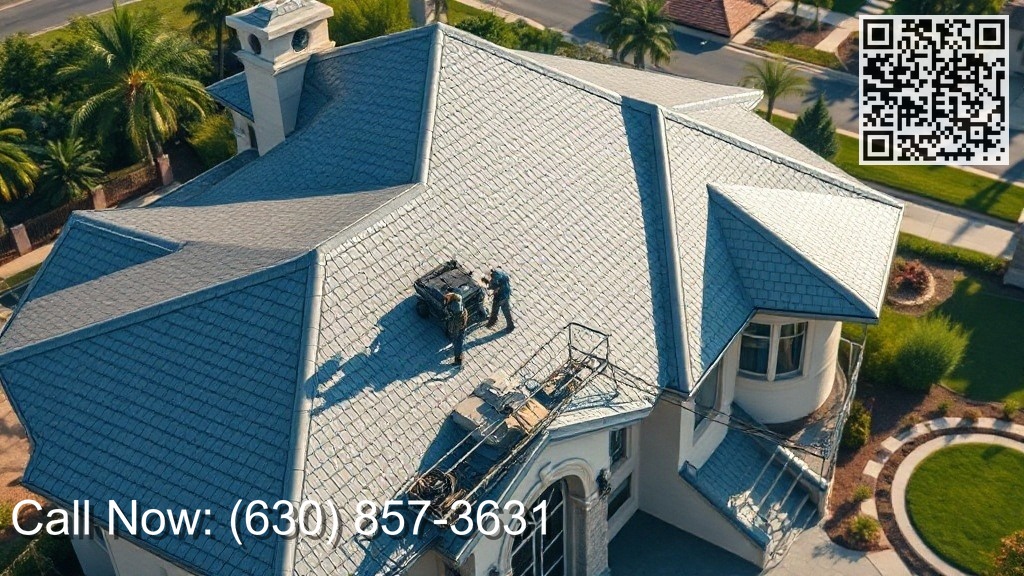
One of the a lot more revealing signs on a jobsite is whether the staff deals with changes as customized work or recurring job. Valleys, wall tie-ins, saddle flashings behind smokeshafts, snow retention preparation, and termination points at stonework all need idea. A roofing with many intersecting airplanes can eat far more labor in these locations than in the open field. When quotes can be found in uncommonly reduced, this is frequently where edges obtain cut.
Cost, life expectancy, and the worth question
Synthetic roof covering is rarely the most affordable upfront cost in the domestic market. House owners comparing quotes will commonly see it above basic asphalt and listed below some all-natural slate or high-end specialized settings up, though actual prices differs dramatically by account, roofing intricacy, and labor market. In customized job, the shape of the roof can affect cost as much as the product itself.
That stated, value needs to not be lowered to square-foot price. Premium synthetic roof covering commonly makes good sense when proprietors make up expected maintenance, lowered fixing regularity, architectural financial savings as a result of reduced weight, and the aesthetic long life of the finished roof. A product that costs more at installation but prevents repeating jumble can be the much more economical option over time.
There is likewise the resale variable, though it must be discussed honestly. A lovely, well-installed roof can definitely support buyer confidence, specifically on unique homes, but not every market transforms costs roofing into dollar-for-dollar list price. The more dependable return is usually simpler possession and reduced chance of abrupt capital spending after storms or serious winters.
Where synthetic roof covering shines, and where care is wise
Synthetic roofing does especially well when property owners want a refined architectural look without the frailty, weight, or upkeep needs of conventional materials. It is often a strong suitable for steep-slope homes, custom develops, historic-style improvements, and high end domestic jobs where look matters along with durability.
It should have a more cautious review when the roof covering has unusual low-slope areas, chronic air flow problems that have not been fixed, or spending plan constraints that may tempt an owner to purchase a premium material while underfunding the setup information. A top-tier product on a jeopardized assembly is still a compromised roof.
There are likewise neighborhood and insurance factors to consider. Some HOAs care deeply regarding visual credibility. Some insurance providers concentrate on effect rankings or fire categories. A good synthetic roof covering firm need to be prepared to walk through both, since a practically sound product still needs to satisfy local expectations and paperwork realities.
How house owners ought to review a suggested system
The smartest discussions are specific. Rather than asking whether artificial is great, ask how this exact system will be built on this precise residence. That change transforms the whole procedure. It relocates the conversation far from sales language and toward area performance.
An efficient quote review must cover roofing deck condition, underlayment type, edge metals, ventilation corrections if needed, flashing replacements, valley building, snow and ice management worries, and clean-up logistics. It must also address what remains, what obtains replaced, and what covert problems could alter the extent when tear-off begins.
For property owners picking amongst artificial roofing installers, it assists to contrast exactly how clearly each specialist describes these details. Unclear proposals frequently result in unclear end results. Details proposals generally signify experience.
Here are a few concerns worth asking prior to signing a contract:
- How will certainly the system take care of ice dam threat at eaves, valleys, and roof-to-wall crossways on this house?
- Which underlayment and flashing products are being coupled with the synthetic product, and why?
- Has the team mounted this details producer's system prior to, or only comparable products?
- What roof ventilation renovations, if any kind of, are recommended together with the brand-new covering?
- How are intricate details like smokeshafts, skylights, and snow retention being addressed?
Those inquiries do not require a property owner to come to be a roofer. They merely require clarity. A competent synthetic professional roofer must have the ability to answer them without hedging.
What upkeep looks like after installation
One factor property artificial roof covering has gotten traction is that maintenance is typically workable. That does not indicate nonexistent. Also long lasting materials require regular evaluation, specifically after hailstorm, high wind occasions, or winter seasons with hefty ice buildup.
In method, proprietors need to expect regular visual checks from the ground, regular professional assessments, and timely focus to seamless gutters, downspouts, and debris accumulation. A synthetic roofing may withstand dampness much better than cedar, however if a valley remains packed with leaves and ice, any kind of roof system can be stressed.
The first couple of years after installment are also a good time to observe the house throughout real weather condition occasions. Enjoy just how snow sheds. Notice where icicles develop. Focus on whether one roofing system airplane thaws faster than one more. Those clues commonly reveal insulation or ventilation inequalities prior to they come to be leak calls.
A reasonable care regular usually consists of the following:
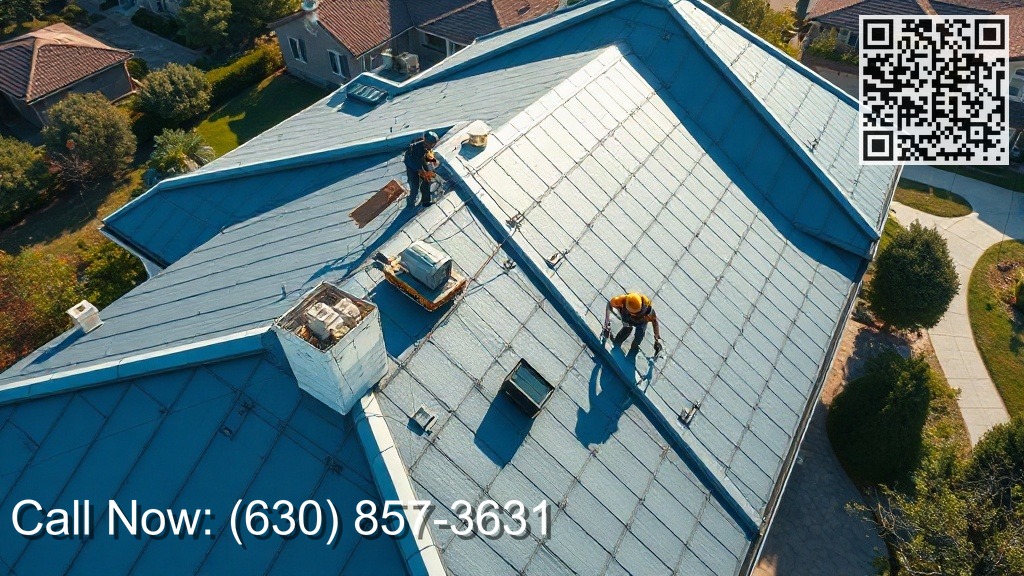
- Keep rain gutters and downspouts flowing prior to winter season starts.
- Schedule inspections after significant hailstorm or wind storms.
- Remove particles from valleys and behind chimneys where it collects.
- Address attic room insulation and ventilation concerns if uneven melting appears.
- Avoid unneeded foot web traffic, especially from untrained solution trades.
That last factor is underrated. Some roofing damage takes place not from weather condition, yet from satellite, holiday lighting, or mechanical work done without appropriate care.
The instance for experience over trend
Synthetic roofing systems are not a passing craze in the Midwest. The much better items have shown they belong in the conversation, particularly where homeowners want layout personality without accepting the vulnerabilities of much heavier or even more weak products. Yet success still depends upon technique. Product high quality matters. System style issues. Installer experience matters just as much.
For homes in Chicago and the wider country market, that implies choosing an artificial roofing contractor that comprehends freeze-thaw actions as a daily truth, not a line in a brochure. It suggests selecting synthetic roofing systems with a track record, not simply appealing samples. It suggests treating synthetic roof substitute as a chance to improve the entire assembly, from underlayment and blinking to air flow and drainage.
When that happens, the outcome is not just a roofing system that looks great from the street. It is a roof covering that withstands January sun on snowpack, March refreezes, April wind-driven rain, and the consistent, unglamorous tension that specifies Midwest weather. That is the criterion that matters here. Not whether a roof covering looks impressive on setup day, however whether it maintains doing its task after years of freeze, thaw, and repeat.
When Quality Matters
Salvo Architectural Roofing Contractors
566 West 5th Ave Naperville, IL 60563
(630) 857-3631
 Ask ChatGPT
 Ask Grok
 Ask Perplexity
 Ask Claude
 Ask Google AI
 Ask You